
Many visionaries have formed companies with the task of finding and unlocking the resources of our solar system. Many have also failed. Planetary Resources and Deep Space Industries were both absorbed into other businesses by 2019, and Shackleton Energy never reached hardware. Their ambitions were correct; being early to a field is simply expensive in capital and in patience. But what investor is ever on time, the first time?
At Space Resources we focus on companies and organisations that are in it for the long haul, because only companies with that kind of foresight will survive the start-up valley of death and be in the right place at the right time. The overview below covers companies working towards space mining, weighted towards lunar resources, because the Moon is three days away rather than months, and its regolith contains oxygen, metals, water ice at the poles and solar-wind-implanted helium-3.
A reality check before you read on. No company has yet sold a commercially mined space resource at scale. What exists today is hardware, contracts, prototypes and a handful of successful landings. That is genuine progress, and it is also the whole of the progress. Treat every date on this page as a target, not a schedule.
Would you like to invest in space mining companies, or take part in an IPO of a Moon mining company? Get in contact by taking part in one of our surveys or joining our mailing list.

Space mining is not one industry, it is four overlapping ones, and a company that is excellent at one of them may have no capability at all in the others. We have grouped the companies accordingly:
Where we mark a company's stage, we use these labels: Concept nothing flown; Prototype hardware exists and has been tested on Earth; Flown hardware has reached space or the lunar surface; Revenue the company is being paid by customers today, usually for something other than mining.
European Space Ventures AG is developing the European Space Bond with selected partners, with the aim of launching Europe's first commercial space bond in Q4 2026. The bond answers clear investor demand and will allocate capital predominantly to European space companies — from start-ups through to selected space equities that fulfil specific technological specifications. Europe has a disciplined culture of innovation but has to date lacked a vibrant financial funding mechanism to match it. The European Space Bond is designed to be that solution.
In-Situ Resource Utilisation is the part of space mining that is genuinely mining. These companies are building the reactors, excavators and separators that convert lunar regolith into something usable. Most of this hardware is at Technology Readiness Level 4 to 6: it works in a laboratory or a vacuum chamber, and has not yet been proven on the Moon.

Blue Origin, led by Jeff Bezos, has two initiatives that matter to space resources.
Blue Alchemist uses molten regolith electrolysis to break lunar soil into its constituents: oxygen for life support and propellant, silicon refined to solar-cell purity, and metals such as iron and aluminium for construction and wiring. It passed its Critical Design Review in September 2025 and the next step is a full end-to-end autonomous demonstration in a simulated lunar environment. The project was seeded by a NASA Tipping Point award.
Blue Moon MK1 is the uncrewed cargo lander that would eventually deliver this kind of payload. The first MK1, named Endurance, targets the Shackleton connecting ridge at the lunar south pole. Note the caveat: metals such as aluminium and iron have modest value on Earth, and the entire business case rests on not having to launch them from Earth.
Website: blueorigin.com
Recent news: Blue Alchemist completes Critical Design Review · From moon dust to moon colonies (Aerospace America)
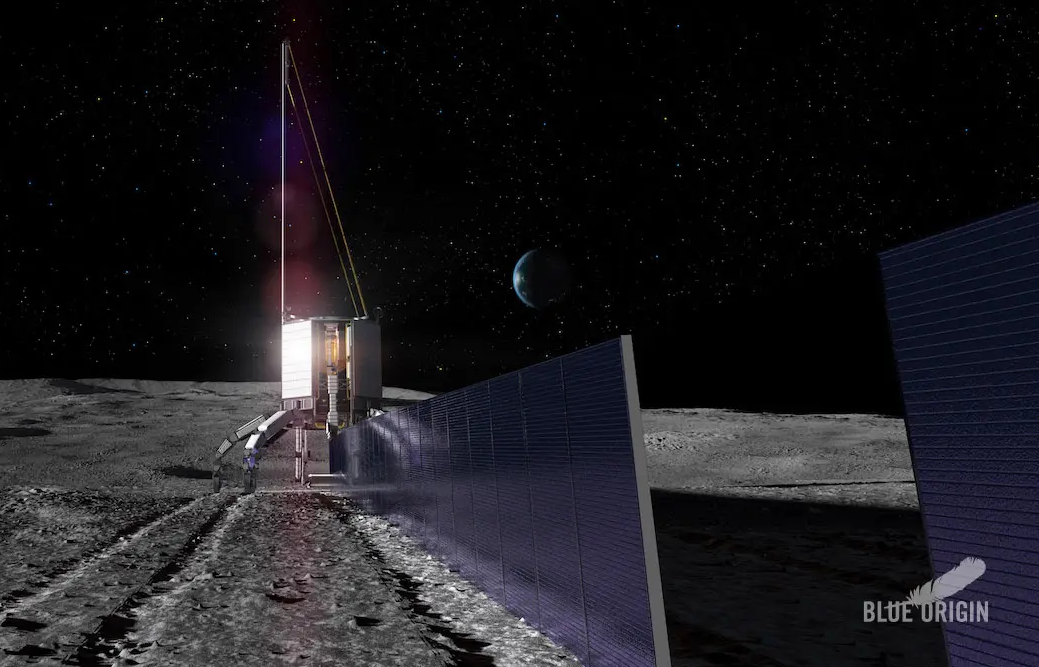
Source: Blue Origin
Interlune is the most commercially advanced helium-3 company. Founded in 2020 by former Blue Origin president Rob Meyerson, with Apollo 17 moonwalker Harrison Schmitt as executive chairman, it aims to harvest helium-3 — implanted in lunar regolith by the solar wind over billions of years — and return it to Earth.
What makes Interlune interesting to an investor is that it has found a near-term customer that is not fusion. Helium-3 is used to cool quantum computers, and Interlune has signed supply agreements with Maybell Quantum and Bluefors. With Vermeer, the Iowa industrial equipment manufacturer, it has built a full-scale excavator prototype designed to process 100 tonnes of regolith an hour, and it has NASA and US Air Force contracts to refine the design.
The honest caveat: helium-3 concentrations in Apollo samples were on the order of parts per billion. Interlune's own target is roughly 10 kg per year from a first operation in the 2030s. Independent planetary scientists have repeatedly questioned whether the energy and infrastructure cost can ever close against terrestrial alternatives.
Website: interlune.space
Recent news: Interlune develops lunar excavator under NASA contract (GeekWire, 2026) · NASA awards $6.9m for lunar resource-seeking technology · Interlune media centre
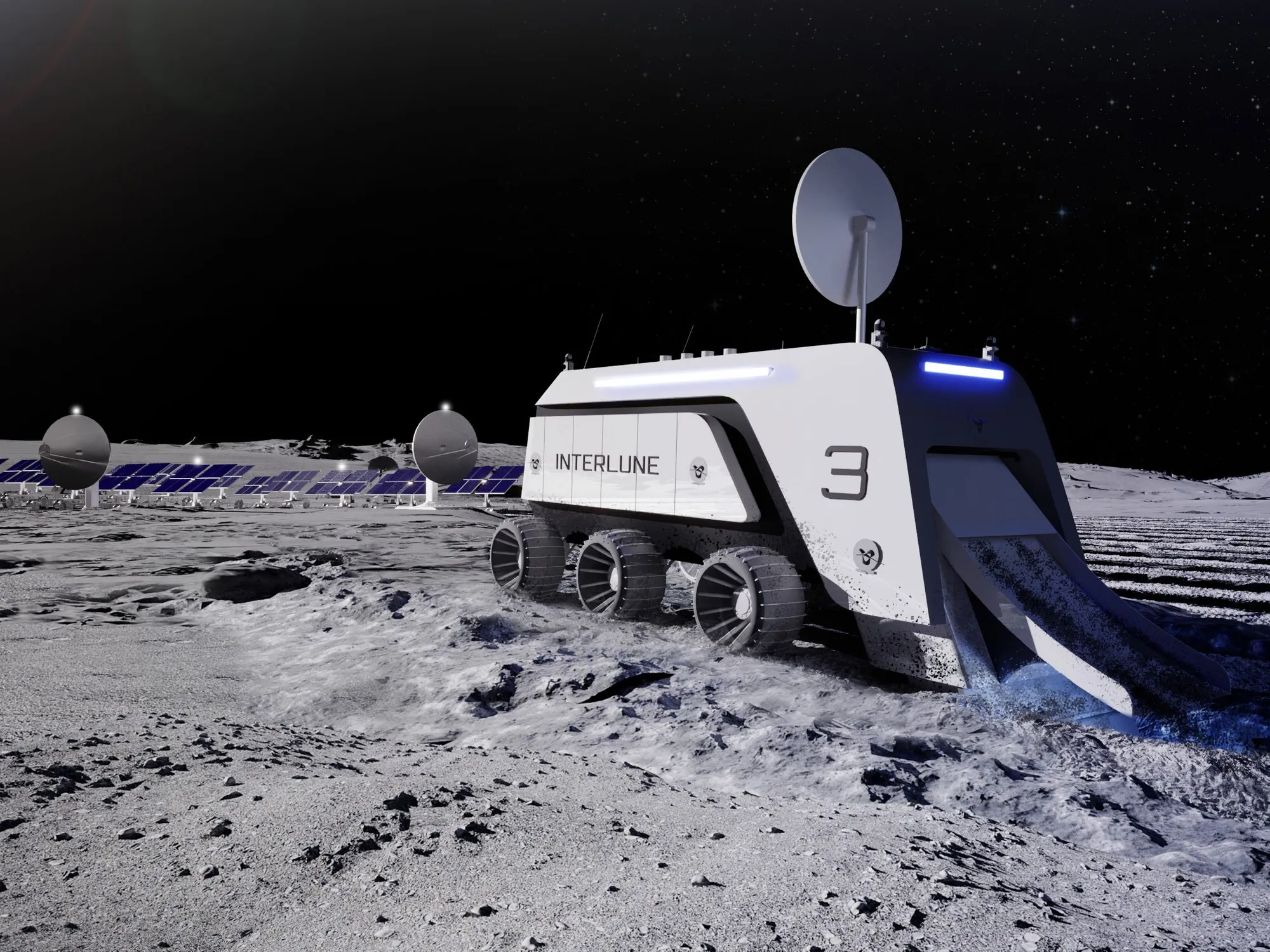
Source: Interlune
Luxembourg-based Maana Electric is the clearest example of the strategy we like: build a terrestrial business that pays the bills using the same technology you intend to fly. Its TerraBox is a containerised factory that turns desert sand into solar panels on Earth. The lunar version, SOURCE, is a demonstrator to validate extraction of silicon and oxygen from regolith via molten salt electrolysis, leading to LUNABOX, producing solar panels on the Moon.
Maana is in the first cohort of the ESRIC and ESA Space Resources Accelerator, part of team LuMA with the University of Luxembourg and Aalborg University for the ESA Space Resource Challenge, and is building the Dirty Thermal Vacuum Chamber that ESRIC will use to test other people's hardware. It also has an order book from terrestrial customers, which very few companies on this page can say.
Website: Maana Electric profile, Luxembourg Space Agency
Recent news: ESA Space Resources Industry Accelerator · ESRIC accelerator cohort
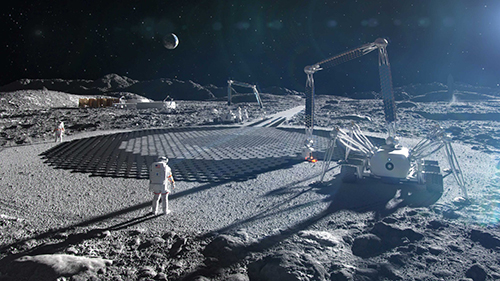
Source: Maana Electric

Starpath, based in Hawthorne, California, is going after the single most valuable lunar product: liquid oxygen refined from polar water ice, sold as propellant. Its architecture is a full stack — power plant, a fleet of mining rovers, and a refinery — rather than a single instrument.
Starpath took second place in NASA's Break the Ice Lunar Challenge in 2024 and, as part of the prize, tested its upgraded excavation rover in the 20-foot thermal vacuum chamber at NASA Marshall. The rover uses a dual drum that extends from the body like claws to scrape into hard regolith while conserving battery.
The honest caveat: the propellant market Starpath is aiming at does not exist yet. It only exists if landers, tugs and eventually Starship choose to refuel at the Moon rather than launch full from Earth.
Recent news: Starpath tests excavation rover at NASA Marshall · Starpath raises $12m seed for Moon water mining (TechCrunch)
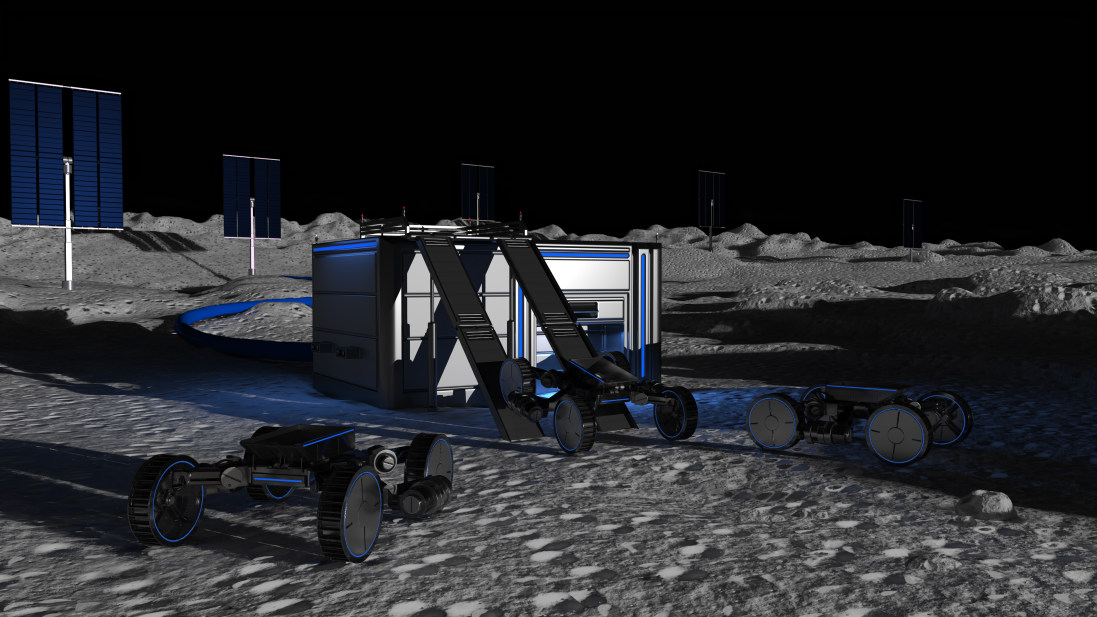
Source: Starpath Robotics

Magna Petra is the second helium-3 venture to watch, and the direct competitor to Interlune. It claims patent-pending capture and containment equipment that extracts isotopes from regolith without significant energy input or permanent disturbance of the surface, guided by its own Lunar Pro modelling software for target selection.
It has signed a memorandum of understanding with ispace to use that company's cislunar transportation for future missions. An MOU is not a contract; treat this as an early-stage venture with a strong thesis and, so far, no flight hardware.
Company profile and news: Magna Petra and the ispace MOU
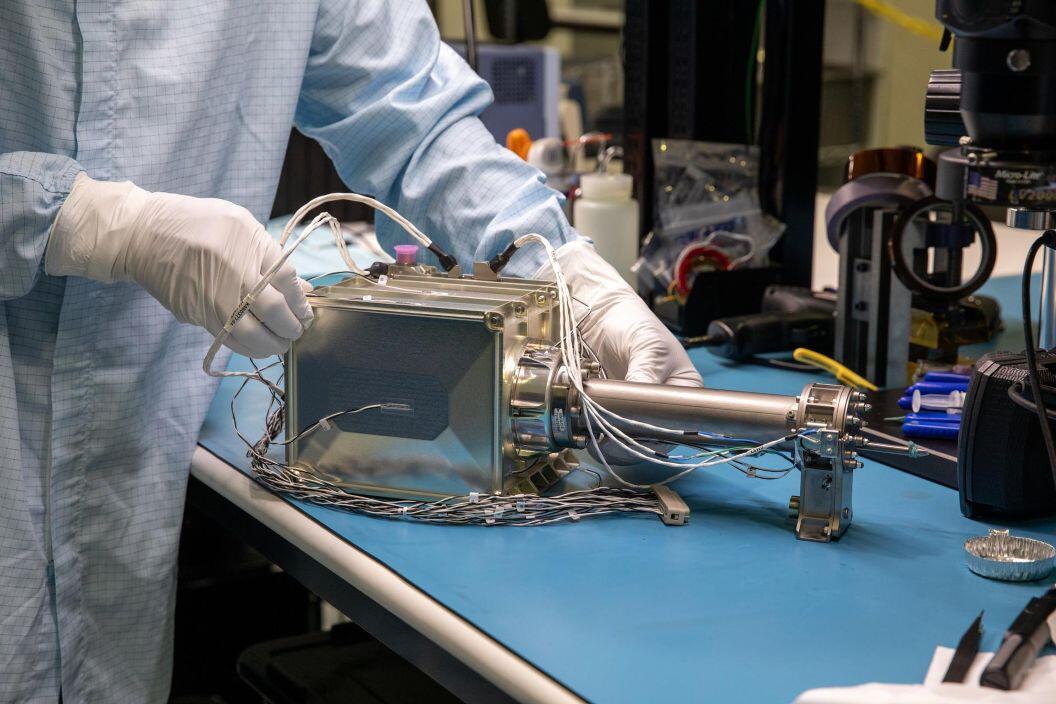
Magna Petra To Use NASA Mass Spectrometer On Moon. Source: NASA

OffWorld is designing swarms of intelligent industrial robots that work collectively on mining operations, extracting critical minerals on Earth as well as in space. The terrestrial mining market is the near-term revenue path, and the same autonomy stack is what would be needed on the Moon or an asteroid.
Website: offworld.ai
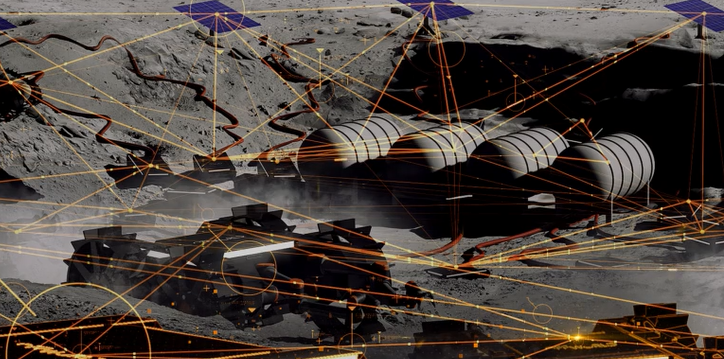
Source: OffWorld
No resource is worth anything if you cannot land next to it and drive to it. This is the part of the supply chain where real money is already changing hands, largely through NASA's Commercial Lunar Payload Services programme. It is also where the failure rate has been highest: of the commercial soft-landing attempts to date, only Firefly's first Blue Ghost has landed fully upright and completed a nominal surface mission.

ispace is the most commercially minded and the most publicly bruised of the lunar companies. It listed on the Tokyo Stock Exchange before its first commercial mission to the Moon, which crashed in April 2023 after a software issue caused the lander to misjudge its altitude.
Mission 2, the RESILIENCE lander, reached lunar orbit successfully but made a hard landing at Mare Frigoris on 5–6 June 2025. ispace traced the cause to an anomaly in the laser range finder — a hardware failure this time, not a repeat of the software fault. RESILIENCE carried the TENACIOUS micro-rover, which was to collect regolith and complete a symbolic resource sale to NASA.
Missions 3 and 4 move to a much larger 2-tonne lander, Apex 1.0, developed with Draper, and are targeted for 2027. Mission 3 delivers NASA payloads to Schrödinger basin on the far side under CLPS task order CP-12.
Website: ispace-inc.com
Share Price: ispace (TOKYO: 9348)
Recent news: ispace technical cause analysis for Mission 2 · Hardware failure doomed ispace Mission 2 · ispace share price
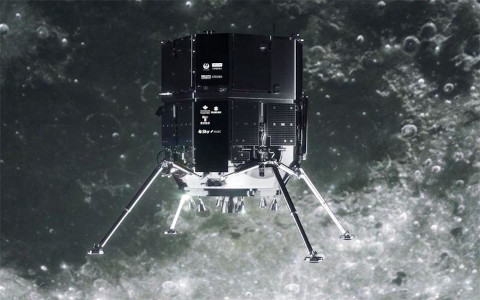
Source: ispace

Intuitive Machines holds more NASA CLPS awards than any other company. IM-1 put Odysseus on the Moon in February 2024, the first US soft landing since Apollo, although it came to rest tilted after a landing leg caught. IM-2 landed Athena in March 2025 at the southernmost point yet reached, but on its side, which prevented the Lunar Outpost MAPP rover from deploying and cut the mission short.
IM-3 targets the Reiner Gamma lunar swirl and is expected in the second half of 2026. In March 2026 the company was awarded a $180.4m CLPS task order — its fifth — requiring the larger Nova-D cargo lander to deliver seven payloads to the south pole region, including an Australian Space Agency rover and Honeybee Robotics hardware.
Two tipped landings out of two is the number to keep in mind. The company is feeding that flight data back into its landing algorithms, and this is precisely the kind of iteration a long-horizon investor is paying for.
Website: intuitivemachines.com
Share Price: Intuitive Machines (NASDAQ: LUNR)
Recent news: What prevented an upright IM-2 touchdown · Intuitive Machines share price
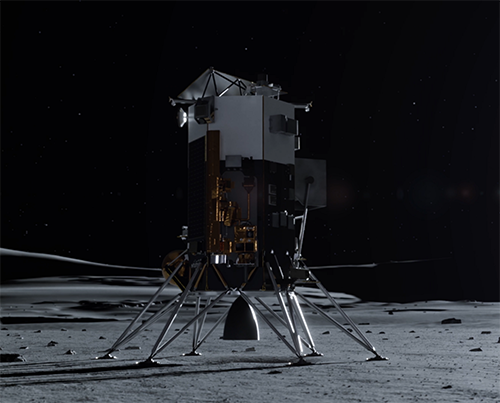
Source: Intuitive Machines
Firefly is the company that made it look easy, which it is not. Blue Ghost Mission 1 landed upright at Mare Crisium on 2 March 2025 and operated a full lunar day of NASA payloads — the first fully successful commercial soft landing and surface mission.
Blue Ghost Mission 2 is a considerably harder problem: a two-spacecraft stack pairing the lander with Firefly's Elytra Dark orbital transfer vehicle, deploying ESA's Lunar Pathfinder communications satellite into lunar orbit and landing on the far side. Firefly's relevance to space resources is as the delivery mechanism: if you are an ISRU company, this is one of the few rides with demonstrated success.
Website: fireflyspace.com
Share Price: Firefly
Recent news: Private spacecraft attempting lunar landings in 2026 (Space.com) · Where Blue Ghost 1 landed, Lunar Resources Registry
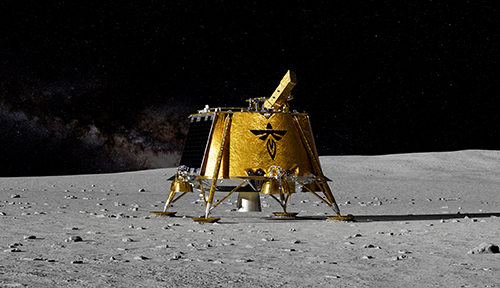
Source: Firefly Aerospace
Astrobotic was acquired by Voyager Technologies (NYSE: VOYG) in July 2026 for $162m in cash and stock plus earnouts, and now trades as Voyager Lunar Systems, headquartered in Pittsburgh. This is the first significant consolidation in the lunar sector and worth noting as a template for how these companies may eventually exit.
Its Peregrine lander failed to reach the Moon in January 2024 after a propellant leak. The much larger Griffin Mission One, designated NASA Moon Base II, has shipped to JPL for environmental testing with a launch targeted no earlier than November 2026, carrying ten payloads to the south pole including Astrolab's FLIP rover. A further $298m NASA award covers two more lander missions, with Peregrine-2 due in 2028.
For space resources specifically, watch LunaGrid: solar power generation and distribution on the lunar surface. Every ISRU process on this page is power-hungry, and power is the constraint nobody has solved.
Website: astrobotic.com · voyagertechnologies.com
Share Price: Voyager Technologies
Recent news: Voyager completes acquisition of Astrobotic (SpaceNews) · Griffin Moon Base II lander unveiled
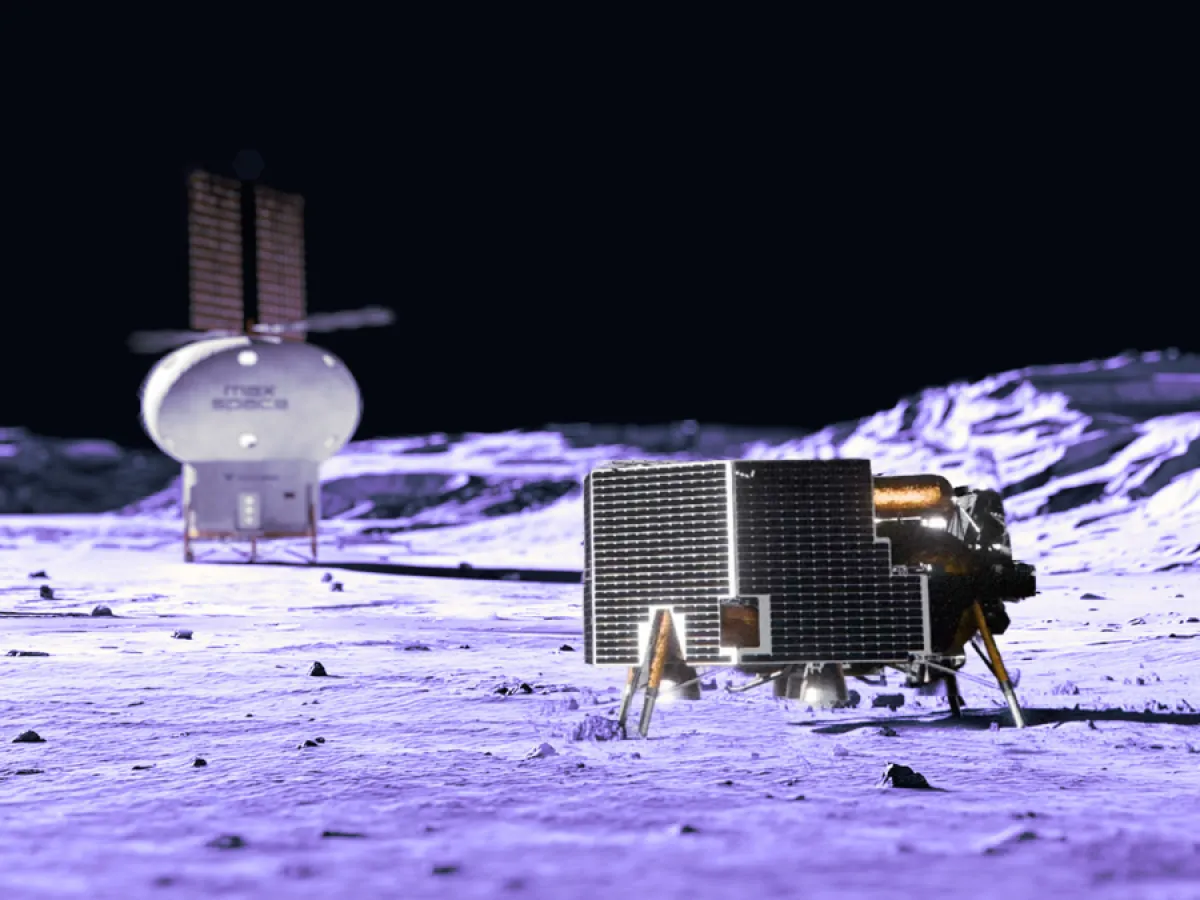
Source: Voyager Lunar Systems

Lunar Outpost's MAPP rover flew on IM-2 in March 2025 and became the first US commercial rover to reach the lunar surface. Because the lander tipped, MAPP could not drive off, so its mobility systems remain unproven — but the navigation computer, autonomous thermal control, stereo cameras and power management all reached TRL 9.
MAPP was also to complete the first commercial sale of lunar regolith to NASA, the transaction that establishes a legal and economic precedent for space resource ownership. That sale did not happen on this flight, and it remains one of the milestones worth tracking across the sector.
The company is now building the much larger Eagle Lunar Terrain Vehicle for NASA's crewed LTV competition, alongside Intuitive Machines and Venturi Astrolab, and has an Australian Roo-ver contract and further MAPP flights booked.
Website: lunaroutpost.com
Recent news: From commercial exploration to Artemis integration (NASASpaceflight) · The race for lunar ground transportation contracts
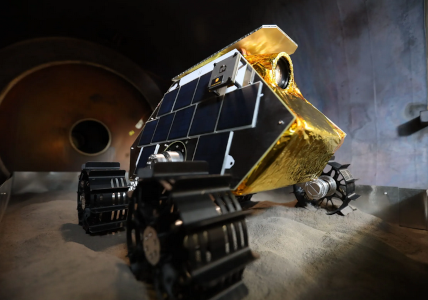
Source: Lunar Outpost

Astrolab, founded by a former JPL and SpaceX engineer and backed by the electric vehicle group Venturi, builds the FLEX rover platform and its smaller sibling FLIP. It holds one of the three NASA Lunar Terrain Vehicle development contracts, worth up to $1.9bn over its full term.
Astrolab matters to space resources because it is becoming the carrier of other people's prospecting instruments. FLIP flies on Griffin Mission One with a multispectral camera from Interlune to map helium-3 concentrations, and Astrolab has signed with Astroport Space Technologies on autonomous lunar excavation and site preparation tools.
Website: astrolab.space
Recent news: Astroport and Astrolab lunar excavator demonstration (2026) · Interlune and Astrolab helium-3 mapping collaboration
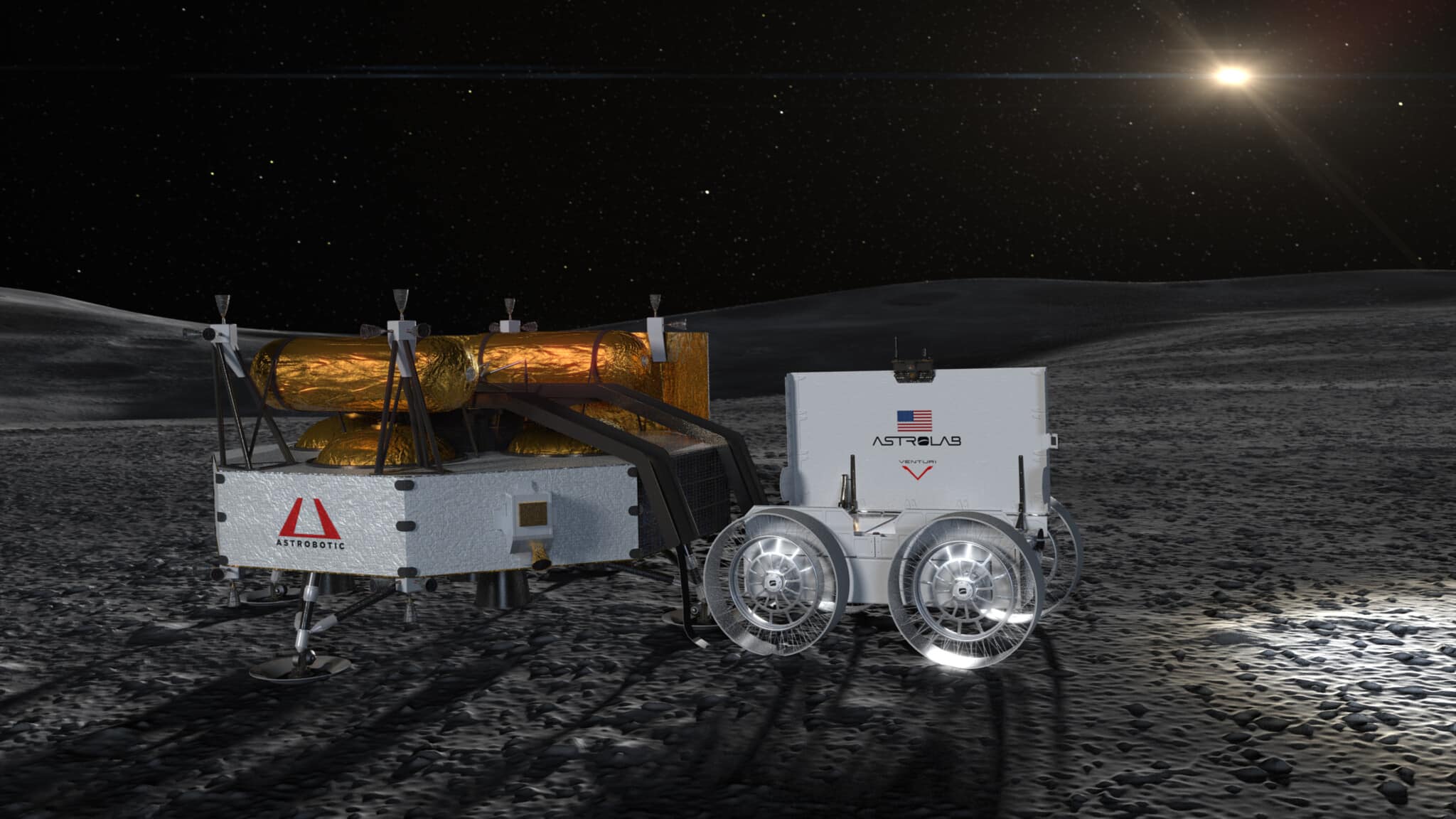
Source: Venturi Astrolab
Asteroid mining is roughly a decade behind lunar mining, and it should be assessed differently. The total mass of asteroid material ever returned to Earth by anyone, across all agency sample-return missions, is measured in grams. The companies below are not mining; they are trying to establish that a low-cost private spacecraft can reach a near-Earth object at all. That is the milestone that matters right now. See our asteroid mining page for the full picture.

AstroForge is the most-funded asteroid company and the one with actual flight attempts behind it. Its target is platinum group metals in M-type near-Earth asteroids, refined in space and returned to Earth.
The record so far is two missions, two losses. Brokkr-1, a 6U cubesat launched in April 2023 to test refining hardware, failed on communications. Odin, a 105 kg spacecraft launched 26 February 2025 as a rideshare on the IM-2 launch, was lost after ground station and communication problems before its planned flyby of asteroid 2022 OB5.
The next mission, now branded DeepSpace-2 and previously Vestri, targets launch in the fourth quarter of 2026 and aims to be the first commercial rendezvous with a body outside Earth's gravity well, using Safran electric propulsion. AstroForge publishes unusually frank mission debriefs, which is itself a positive signal.
Website: astroforge.com
Recent news: Odin't: a complete debrief of the Odin mission · Safran to supply electric propulsion for the next AstroForge mission
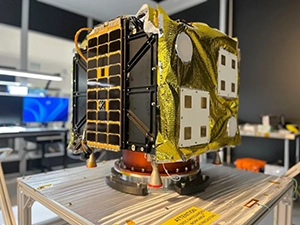
Source: AstroForge

Karman+ started in the Netherlands and relocated to Denver in 2022. It has raised around $20m and takes the opposite approach to AstroForge: rather than platinum group metals for Earth, it targets water from carbonaceous asteroids, to be sold in space as propellant for satellites. Water is worthless on Earth and extremely expensive to launch, which makes the economics far more forgiving.
Its first mission, High Frontier, is intended to land on a near-Earth asteroid and retrieve a kilogram-scale sample while testing excavation equipment. In July 2026 the company announced Apophis as the mission 1 target — the asteroid that makes a famously close approach to Earth in April 2029. Karman+ argues such missions can be flown for $10m or less, against the billion-dollar cost of agency sample return.
Website: karmanplus.com
Recent news: Space mining, is the time now? (SpaceCom) · Karman+ mission updates
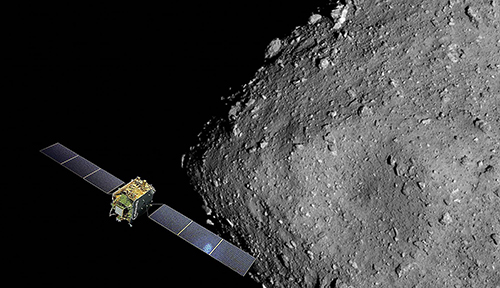
Source: Karman+

TransAstra, founded in Los Angeles in 2015 by Joel Sercel, is the sell-the-shovels play. Its long-term architecture, Apis, would use optical mining — concentrated sunlight to crack volatiles out of asteroid material inside an inflatable capture bag — to deliver water to lunar orbit.
In the meantime it earns revenue from the enabling technology: the Sutter telescope system for finding asteroids and debris, the Omnivore solar-thermal thruster that runs on water, and Capture Bags for orbital debris removal. In September 2025 NASA awarded $2.5m, matched by $2.5m private investment, to scale the Capture Bag from 1 to 10 metres. A 10-metre bag is also large enough to enclose a small asteroid.
Sercel has himself cautioned publicly that returning platinum group metals to Earth is not a near-term prospect, which is a refreshingly honest position from a founder in this sector.
Website: transastra.com
Recent news: TransAstra secures $5m to scale asteroid capture technology
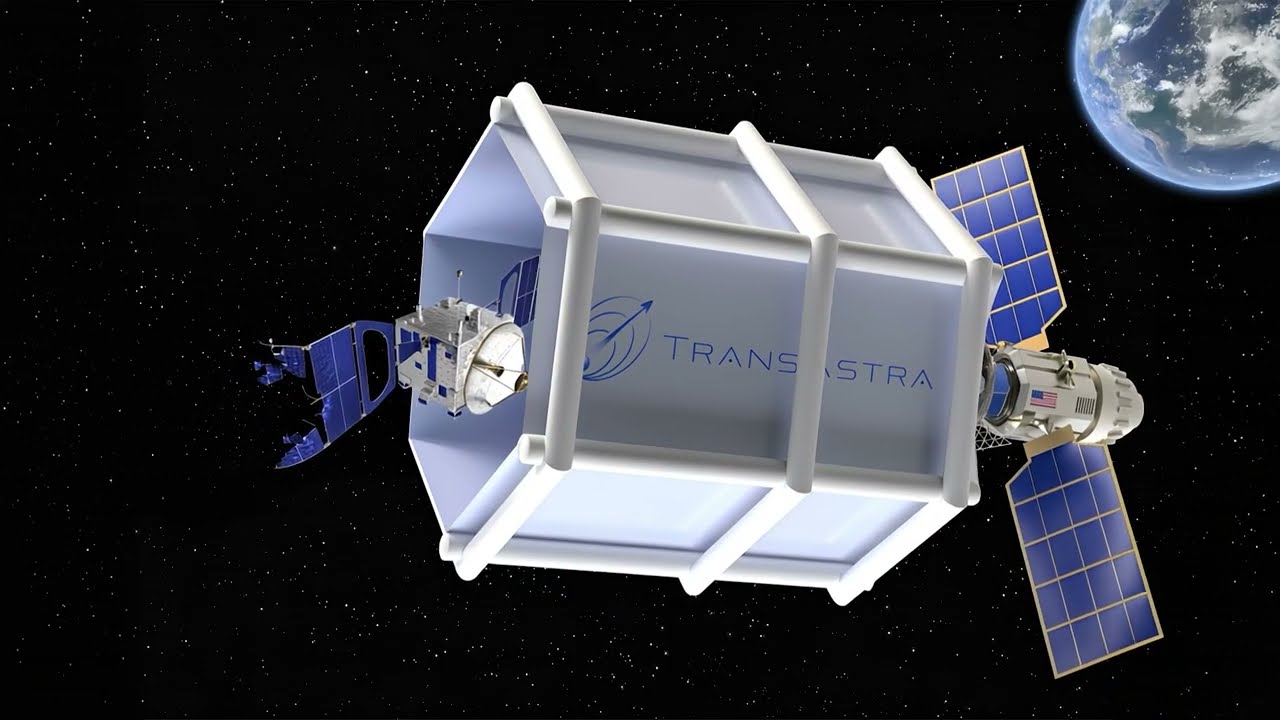
Source: TransAstra

AMC is the UK's first space mining company, founded in 2016 and based in London, with a US subsidiary. Its strategy is explicitly designed to avoid the fate of Planetary Resources and Deep Space Industries: build a robot that earns money on Earth first, and fund the space ambition from that cash flow rather than from successive venture rounds.
The robot is SCAR-E, a modular six-legged walking and climbing platform developed with Tohoku University's Space Robotics Laboratory, designed for microgravity core sampling and prospecting but sold today for infrastructure inspection, nuclear decommissioning and search and rescue. AMC has been working towards an on-orbit demonstration and a lunar surface deployment.
Recent news: SCAR-E and the second wave of space mining (SpaceCom) · In the race for space metals (Popular Science)
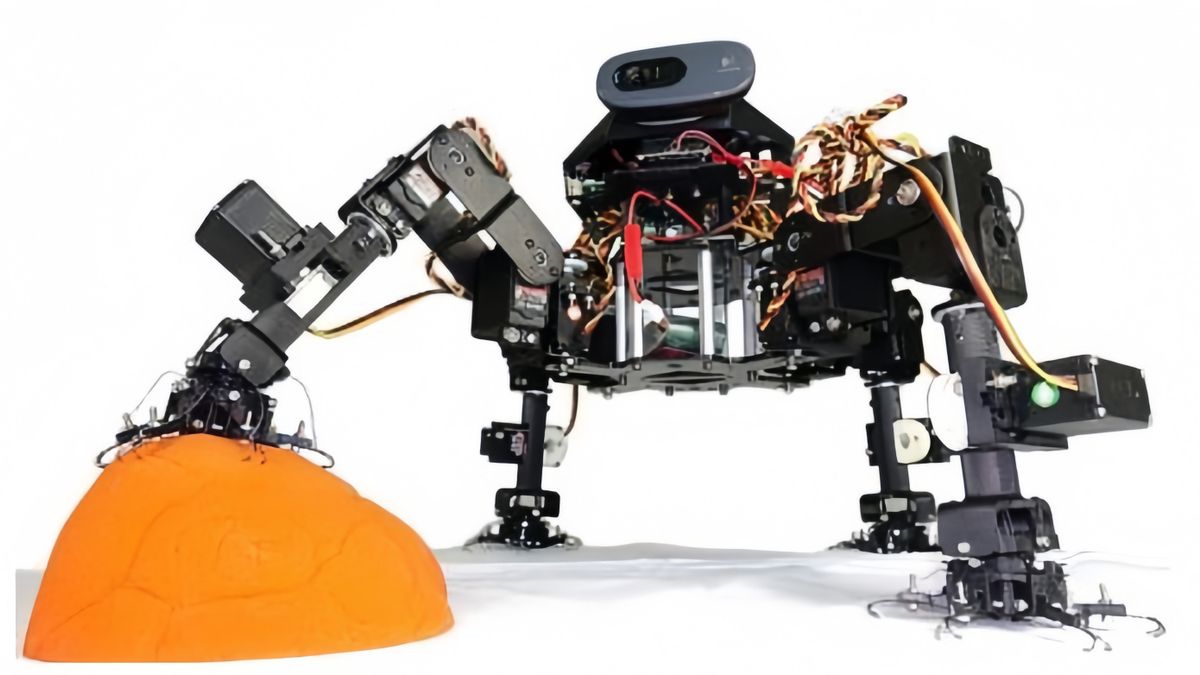
Source: Asteroid Mining Corporation

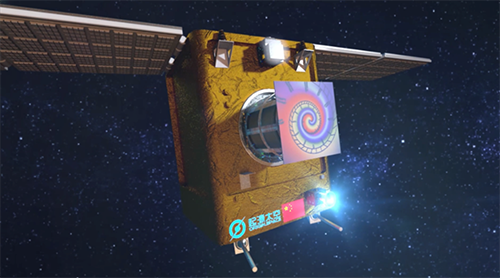
Origin Space is the Chinese entrant, and the only asteroid company outside the US and Europe with hardware in orbit. It operates asteroid-observation satellites and has been testing mining-relevant technology in Earth orbit. Chinese space resources activity is under-covered in Western analysis and is worth tracking, particularly alongside the Chang'e programme's south pole ambitions.
Website: origin.space
Recent news: In the race for space metals (Popular Science)
Source: Origin Space
Before anyone extracts anything, somebody has to know what is there, where exactly it is, and whether a competing operation is already working the same ground. This is the least capital-intensive part of the sector and the part that can generate revenue first.

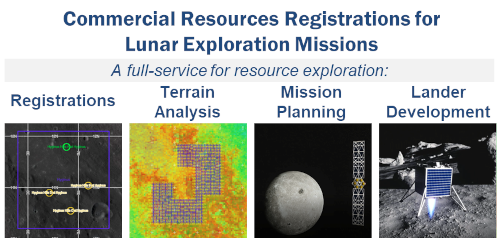
Lunar Resources Registry has developed an Open Lunar Registry and Commercial Resources Registrations, with a strong focus on water and oxygen, platinum group metals, titanium and iron on the surface of the Moon. It maintains a list of locations where lunar mining may take place, based on remote sensing detection of valuable resources.
Visit the Commercial Register for Lunar Mining to see how the resource sites have evolved. Lunar Resources Registry was part of a European Space Agency Business Incubation Centre programme from 2021 to 2023, and in September 2024 signed an MOU with Thales Alenia Space's Space Business Catalyst.
Website: lunarresourcesregistry.com
Source: Lunar Resources Registry

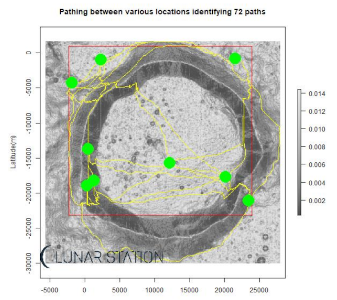
Lunar Station provides lunar environmental and orbital intelligence. It offers terrain analysis to verify areas of the Moon suitable for potential mining operations and infrastructure, using its MoonHacker analytical platform. It can map rover paths into and out of craters, identify critical access points, and produce strategic insights for future missions.
Website: lunarstation.space
Source: Lunar Station
ESRIC is the world's first centre dedicated exclusively to space resources. It launched in 2020 in Luxembourg as an initiative of the Luxembourg Space Agency and the Luxembourg Institute of Science and Technology, in strategic partnership with the European Space Agency.
ESRIC is not a company, but it is where a great many of the European companies on this page were first funded or validated. It runs a Start-Up Support Programme, the ESA-backed Space Resources Accelerator, and the annual Space Resources Week conference. Companies in the accelerator cohorts include Maana Electric, FibreCoat, Orbital Matter, Orbit Fab UK, Space Power and Volta Space Technologies.
Website: esric.lu
Recent news: ESRIC industry accelerator cohorts · ESA BSGN Space Resources Accelerator
Source: ESRIC
These organisations are adjacent to space mining rather than at its centre — construction, power, robotics and materials — but no lunar mine works without them. We track them without giving each a full profile.
The pattern that killed the first wave was simple: raise venture capital against a resource narrative, spend it on spacecraft, and run out of money before the resource has any buyer. The questions below are the ones we ask before taking a company seriously.
Are you interested in investing in a balanced portfolio of companies mining the Moon, harvesting and mining asteroids, and extracting resources from space?
We want to know what you think about investing in space resources and asteroid mining. This information helps us
create a space resources investment that matches what different types of investors want.
Your details are used only for internal research and are not shared with third parties.
If the form does not appear, open the survey in a new tab.
Moon Mining and Lunar Resources – what is actually on the Moon, how it would be
extracted, and the record of commercial landings.
Asteroid Mining – asteroid types, delta-v, mission status and the reality check.
Space Based Solar Power – the other way to harvest a space resource.
Investors: Who. Are. You. – tell us what kind of investor you are.